Downsizing is often described as a fresh start: a smaller home, fewer responsibilities, and more time to enjoy life. But for many older adults, the prospect of leaving a longtime home also brings a less frequently discussed concern: the fear of losing independence and control over their own lives.
Through our work at Brick & Bloom, helping older adults transition from their longtime homes into retirement communities, we’ve seen firsthand how difficult it can be to let go of familiar surroundings and routines, especially when it feels as though others are beginning to make decisions for you.
Will I still be able to make my own decisions? Will my children expect to take charge? What happens if I move into a retirement community and my needs change?
These concerns are understandable. After decades of managing a household, raising a family, and making important decisions, the thought of relying on others can feel unsettling.
But accepting help doesn’t have to mean giving up control. In fact, thoughtful legal planning can help protect your independence, ensure your wishes are respected, and give you a greater say in how your future unfolds.
Protecting Your Right to Make Decisions
One of the most important steps you can take is deciding who you would trust to act on your behalf if you ever needed assistance.
In Ontario, powers of attorney allow you to make those arrangements in advance.
A Continuing Power of Attorney for Property allows you to appoint someone to manage financial matters, including property transactions, according to the authority granted in the document.
A Power of Attorney for Personal Care allows you to appoint someone to make decisions about your healthcare, housing, and other personal care needs if you become incapable of making those decisions yourself.
Whether you have family nearby, children living abroad, or no immediate relatives to rely on, you have choices about whom to appoint and how to document your wishes.
It’s important to understand that granting a power of attorney doesn’t automatically mean giving up your right to make decisions. The authority and circumstances under which someone can act depend on the type of document and its terms.
By making these decisions thoughtfully, and before an urgent situation arises, you can help ensure that the people acting on your behalf are people you trust.
When Your Home Changes, Your Will May Need a Second Look
A move can also be a good opportunity to revisit your will.
Consider a parent who promised a particular piece of furniture, a treasured collection, or even the family cottage to one of their children. Years later, circumstances have changed. The furniture was given away during downsizing, the collection was sold, or the property is no longer owned.
What happens to those wishes?
A will written many years ago may no longer reflect the assets you own, your family relationships, or your intentions.
Downsizing often involves making decisions about possessions accumulated over a lifetime. Some have financial value; others carry enormous sentimental significance.
Reviewing your will and discussing your intentions with a legal professional can help ensure that your estate plan reflects your current circumstances and avoids unnecessary confusion for loved ones later.
Planning the Legacy You Want to Leave
Estate planning isn’t simply about deciding who receives what.
It’s also an opportunity to think about what matters to you, how you’d like to support the people you care about, and what kind of legacy you’d like to leave.
Perhaps you want to help your grandchildren with their education, provide fairly for children with different needs, support a charitable cause, or ensure that a treasured family possession stays in the family.
These are personal decisions, and there is no single right approach.
The advantage of addressing them early is that you have time to explore your options, discuss your wishes, and put appropriate legal arrangements in place without the pressure of an immediate health concern or major life event.
Downsizing on Your Own Terms
At Brick & Bloom Real Estate Group, we know that downsizing is about much more than moving from one home to another. It’s about navigating change while preserving what matters most to you.
That includes your independence, your wishes, and your right to make informed decisions about your future.
Legal planning is an important part of that process, whether you’re preparing to downsize, considering retirement living, or simply looking ahead.
Join Us for an Informal Legal Q&A
We’re pleased to welcome Salima Virani of Blue Letter Law to Delmanor Prince Edward for an open conversation about wills, powers of attorney, estates, and legal planning as we age.
Whether you’re planning for yourself or supporting an aging parent, this is an opportunity to ask questions, understand your options, and learn how thoughtful planning can help protect your wishes.
Legal Q&A: Powers of Attorney, Wills, Estates & Planning as We Age
Date: Wednesday, November 11, 2026
Time: 7:00 PM
Location: Delmanor Prince Edward, 4180 Dundas St W, Etobicoke
Attendance is complimentary. Please RSVP to reserve your spot.
About the Authors
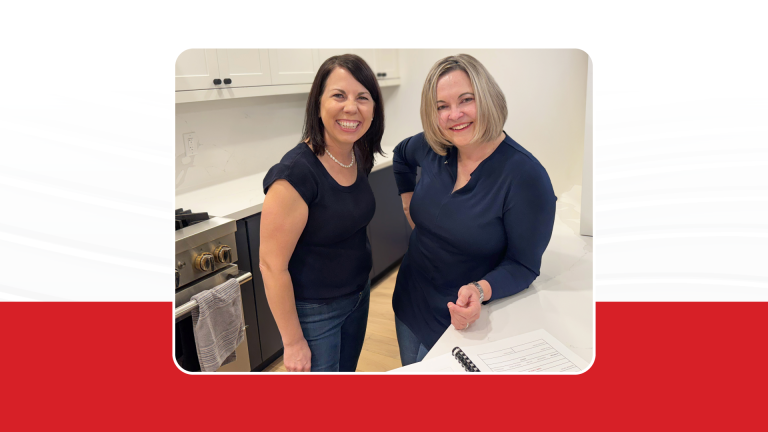
Kathrin Paek, SRES®, and Barbara Franovic-Wilkins, SRES®, are senior real estate specialists with Brick & Bloom Real Estate Group, Royal LePage, helping older adults and their families in Toronto, Etobicoke, and Mississauga plan their next move.
This article is intended for general information only and does not constitute legal advice. For advice specific to your circumstances, consult a qualified Ontario legal professional.